
Planning an event in South Florida involves a myriad of decisions, but one of the most crucial is undoubtedly the catering menu. Selecting the right menu can set the tone for the entire occasion, whether it's a corporate gathering, a wedding, or a private party. With the vibrant culinary culture in South Florida, the options are as diverse as the events themselves. From traditional dishes to modern fare, understanding how to choose a catering menu that resonates with your guests is essential. This guide will help navigate the complexities of crafting a catering experience that is memorable and delicious.
When it comes to catering, the options are nearly limitless, which can be both exhilarating and overwhelming. The key is to consider the nature of your event, the preferences of your guests, and any specific dietary restrictions they may have. Delving into the local food scene can also provide inspiration, allowing you to incorporate regional specialties into your menu. Ultimately, the goal is to create an experience that not only satisfies hunger but also highlights the flavors that South Florida has to offer.
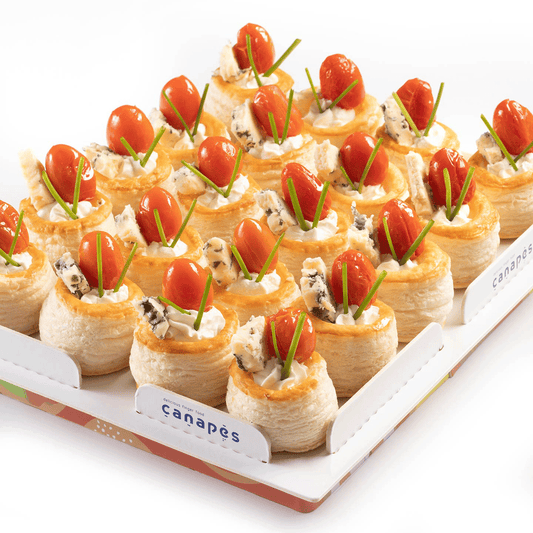
Moreover, understanding the logistics of catering is vital. Factors such as timing, food presentation, and service style can dramatically impact the overall experience. Whether you opt for buffet-style, plated service, or food stations, each choice carries its own set of implications. This guide will explore these elements in detail, ensuring you have all the information needed to select a catering menu that aligns with your vision and enhances the guest experience. Canapés full menu
Before diving into menu selections, it’s essential to understand the type of event you are hosting and the audience you’ll be serving. Corporate events may call for a more formal menu, often with an emphasis on elegance and professionalism. In contrast, weddings might allow for more personal touches, showcasing the couple's tastes and preferences. Understanding the dynamics of your audience is crucial; for instance, a younger crowd may appreciate trendy food options and interactive dining experiences, while older guests might prefer classic dishes.
Additionally, consider the size and scale of your event. A large corporate event might require a menu that can be scaled up effectively, while a small gathering could focus on more intricate and diverse dishes. Tailoring your menu to fit the event not only enhances the experience but also ensures that guests feel catered to. Engaging with your catering provider to discuss audience preferences can provide invaluable insights into what dishes might work best for your specific event.
Another important aspect to consider is the time of year and the seasonality of ingredients. South Florida's climate allows for a variety of fresh produce, seafood, and meats throughout the year. Utilizing seasonal ingredients not only enhances the flavor of your dishes but can also reduce costs and ensure that your menu remains relevant to local trends. Overall, understanding your event type and audience will provide a solid foundation for making informed catering decisions.
In today's diverse culinary landscape, addressing dietary restrictions is more important than ever. Many guests may have allergies, intolerances, or lifestyle dietary choices such as veganism or gluten-free diets. Before finalizing your catering menu, it's essential to assess these needs to ensure that every guest has delicious options available. This consideration not only demonstrates thoughtfulness but also helps avoid any potential health complications during the event.
When working with your catering service, ask about their ability to accommodate specific dietary needs. Many catering companies are well-equipped to offer a variety of options, but it’s best to clarify what can be provided. For example, if you have several guests who are gluten-free, ensure that the menu includes suitable alternatives, such as gluten-free pasta or bread. This proactive approach will enhance the dining experience for all attendees.
South Florida is known for its rich culinary heritage, influenced by a blend of cultures, including Caribbean, Latin, and Southern cuisines. Incorporating local flavors into your catering menu can create a unique and memorable experience for your guests. Consider dishes that highlight fresh seafood, tropical fruits, and vibrant spices native to the region. Examples might include conch fritters, ceviche, or empanadas, which can add a touch of authenticity to your event.
Moreover, sourcing ingredients from local farmers and markets can enhance the freshness of your dishes while supporting the community. Many catering services in South Florida pride themselves on using local ingredients, which not only boosts flavor but also reduces the carbon footprint of your event. Discussing local sourcing with your caterer can provide insights into what’s currently in season and available, helping you create a menu that celebrates the region’s bounty.
The style of service you choose can greatly influence the ambiance of your event and how guests interact with one another. Buffet-style service allows guests to choose from a variety of dishes, encouraging mingling and socialization. This option works well for casual events and can be cost-effective due to less staffing required for service. However, it may not provide the same level of elegance as plated service.
Plated service, on the other hand, can offer a more formal dining experience, where each guest receives a specific dish. This style can be ideal for weddings or corporate events where the goal is to create a refined atmosphere. Family-style service combines elements of both, allowing guests to share large platters of food at their table, promoting interaction while still maintaining a degree of formality. Each service style has its benefits, and selecting the right one will depend on your event's theme and guest preferences.